Amazon affiliate link — supports Zipero for free. Go Premium to remove.
Convert Audio
Convert your audio files to any format. MP3, WAV, AAC, OGG — ready in minutes.
1
Upload2
Process3
DonePREMIUM
Drag & drop files here
or click to browse from your computer
MAX SIZE: 20 MB
Fast Cloud Processing
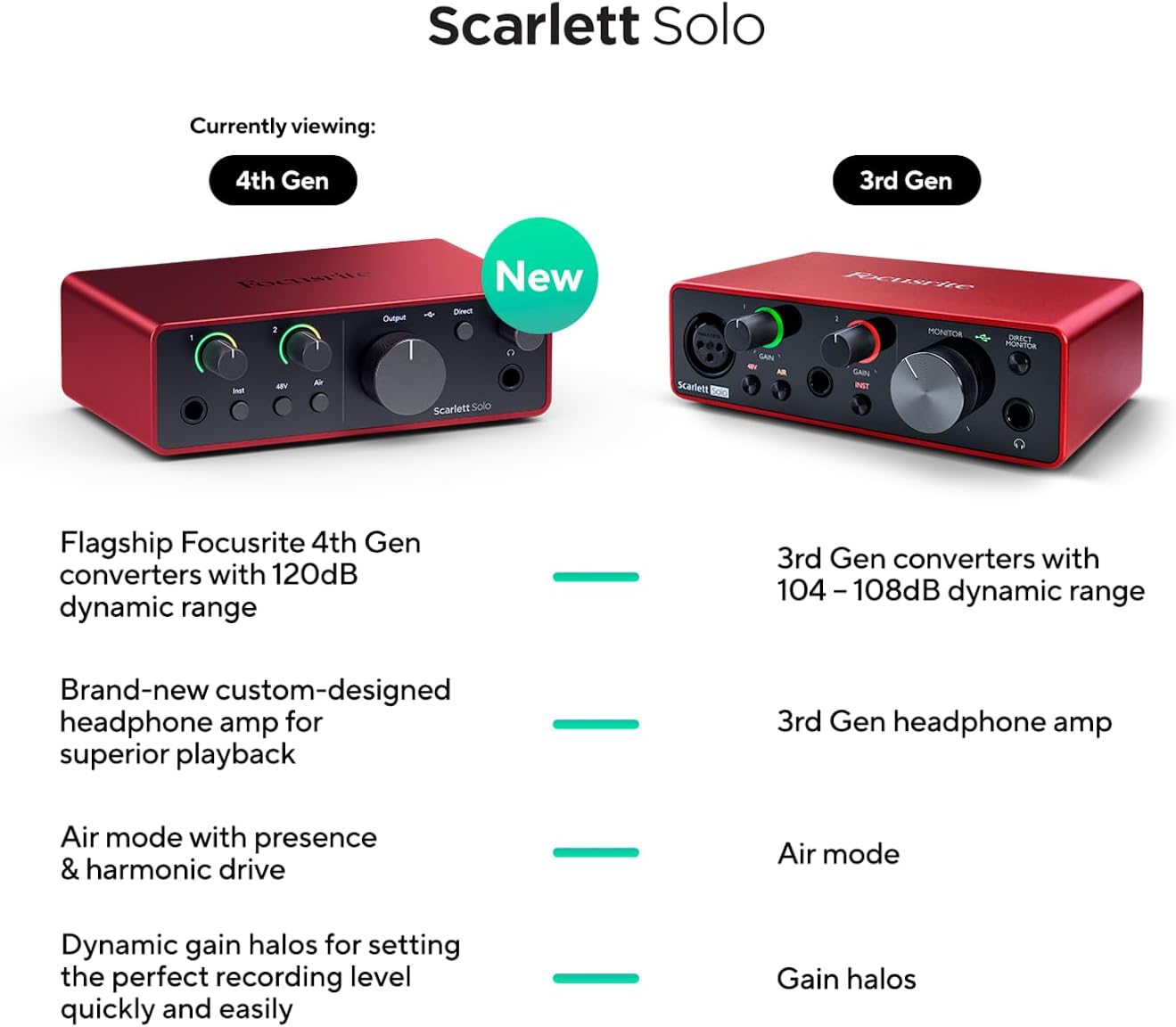
Interface audio USB
Focusrite Scarlett Solo
119€env.
View on Amazon
Amazon affiliate link — supports Zipero for free. Go Premium to remove.
Switch audio formats without losing quality.
Your recording is in WAV but you need an MP3? Or an AAC file that needs to become OGG? Zipero converts your audio in the cloud, quickly and without any quality loss.
Just upload your file, pick the output format (MP3, WAV, AAC, OGG), and download your converted audio in minutes.
All files are uploaded securely and deleted automatically within 24 hours. You can also delete them immediately from the tool.
How to convert audio with Zipero
- 1Upload your audio file. Supported inputs include MP3, WAV, AAC, OGG, and M4A. Files are transferred over an encrypted connection.
- 2Select your target format: MP3 for universal device compatibility, WAV for lossless uncompressed quality, AAC for Apple ecosystem and streaming, or OGG for open-source and web applications.
- 3Click Convert and download your converted audio file. It is automatically deleted from Zipero's servers within 24 hours of processing.
When do you need to convert audio formats?
- ▸Podcast and media production: most podcast hosting platforms accept MP3 or AAC. Converting your studio WAV master recording to a compressed format reduces the file from hundreds of megabytes down to a practical few dozen — without any audible difference to listeners.
- ▸Compatibility with specific devices or players: some car stereos, portable media players, and smart speakers only support certain audio formats. Converting to MP3 guarantees broad playback compatibility across virtually every device made in the last 20 years.
- ▸Preparing audio for a web project: raw WAV files are far too large to serve efficiently over the web. Convert to OGG or AAC for fast browser-based streaming without perceptible quality loss — modern web audio players support both formats natively.
How audio compression works — psychoacoustics and bitrates
Lossy audio compression (MP3, AAC, OGG) exploits the limits of human hearing. The ear does not perceive all sounds with equal precision: we are less sensitive to very high and very low frequencies, and a loud sound masks quieter sounds nearby in frequency (frequency masking). Audio codecs model a masking profile for each audio frame and allocate bits only to frequencies that are actually audible at that moment.
Bitrate controls how much data is allocated per second of audio. At 128 kbps MP3, most listeners detect slight degradation on cymbals and transients. At 192 kbps, the difference is undetectable by the majority of people even on good headphones. At 320 kbps, MP3 is considered transparent quality. AAC is more efficient than MP3: 128 kbps AAC is often equivalent to 192 kbps MP3 — which is why Apple and streaming platforms adopted it as their standard.
WAV is lossless: no psychoacoustics, no compression. It stores every raw audio sample exactly as recorded — 44,100 samples per second in stereo at 16-bit is 1,411 kbps, roughly 10 MB per minute. It is the reference format for production and mastering, but too large for distribution. OGG Vorbis is an open-source alternative to MP3 with efficiency similar to AAC — preferred for web applications and video games because of its patent-free status.
Frequently asked questions about audio conversion
Does audio conversion reduce the sound quality?
Converting from a lossless format (WAV) to a lossy one (MP3, AAC) involves compression. At 192 kbps or above, the difference is inaudible on standard consumer headphones and speakers. Converting between two lossy formats (e.g. AAC to MP3) introduces a small additional generation of compression, but at high bitrates this remains imperceptible in practice.
What is the maximum audio file size supported?
Premium users can upload audio files up to 500 MB for cloud conversion. This comfortably covers high-resolution WAV recordings of 45 minutes or more, making it practical for full podcast episodes, live session recordings, and broadcast-quality masters.
Will my audio metadata — artist name, album, cover art — be preserved?
Yes. Zipero preserves ID3 metadata tags including title, artist, album, track number, and year during conversion. Album artwork embedded in the source file is carried over to MP3 and AAC output files.
Related articles
Converting WAV to MP3: What You Actually Need to Know
The WAV → MP3 conversion involves quality loss. Understanding which bitrate to use means you'll never hear the difference.
Audio Formats Explained: MP3, AAC, FLAC, OGG, WAV
Every audio format has a specific use case. Understanding the differences lets you choose the right one without sacrificing quality or compatibility.
Interface audio USB
Focusrite Scarlett Solo
119€env.
View on Amazon
Amazon affiliate link — supports Zipero for free. Go Premium to remove.